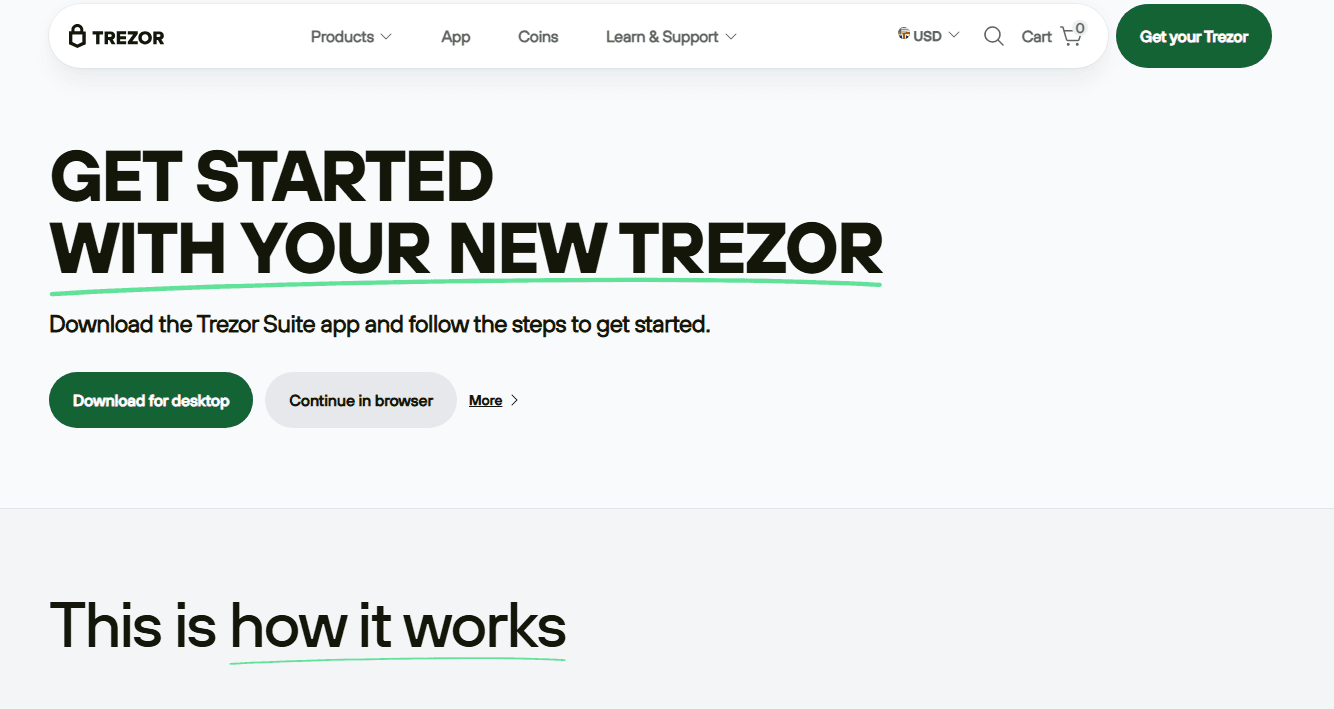
Trezor.io/Start – A Complete Guide to Setting Up Your Trezor Hardware Wallet
Cryptocurrency security is more important than ever, and hardware wallets have become the most trusted way to protect digital assets. Trezor is one of the leading names in crypto security, offering reliable hardware wallets designed to keep private keys offline. The Trezor.io/start page is the official starting point for setting up a new Trezor device safely and correctly. This guide explains everything you need to know about the setup process, features, and best practices.
What Is Trezor and Why Is It Important?
Trezor is a hardware wallet that allows users to store, manage, and protect cryptocurrencies securely. Unlike software wallets or exchanges, Trezor keeps your private keys offline, reducing the risk of hacking, malware, and phishing attacks.
Using a Trezor wallet means you fully control your crypto assets. No third party has access to your funds, making it an ideal solution for long-term holders and security-focused users.
Purpose of the Trezor.io/Start Page
The Trezor.io/start page is the official setup portal for all Trezor hardware wallets. It ensures that users install genuine software, update firmware correctly, and follow verified security steps.
This page is designed to:
Guide new users through device initialization
Prevent installation of fake or malicious software
Provide a secure environment for wallet setup
Educate users on safe crypto storage practices
Starting from this page helps avoid common mistakes that could compromise wallet security.
How to Set Up a Trezor Wallet
Setting up a Trezor wallet is straightforward when done correctly. After unboxing your device, the setup process begins by connecting it to your computer or mobile device.
You will be guided through installing the official wallet interface, which allows you to interact with your Trezor device. Once connected, the device will prompt you to install the latest firmware if it is not already installed. This ensures your wallet has the newest security updates.
After firmware installation, you can create a new wallet or recover an existing one using a recovery phrase.
Understanding the Recovery Seed
One of the most critical steps during setup is generating your recovery seed. This seed is a list of words that acts as a backup to your wallet. If your device is lost, damaged, or stolen, this recovery seed allows you to restore access to your funds.
Important rules for recovery seed safety:
Write it down on paper, never digitally
Store it in a secure, offline location
Never share it with anyone
Do not take screenshots or photos
Your recovery seed is the only way to recover your crypto, so protecting it is essential.
Creating a Strong PIN for Extra Security
Trezor devices require a PIN to prevent unauthorized access. During setup, you will be asked to create a PIN directly on the device. This adds another layer of protection even if someone physically gains access to your wallet.
Using a unique and strong PIN is recommended. Avoid simple patterns or easily guessed numbers. The device automatically increases delay times after incorrect PIN attempts, making brute-force attacks nearly impossible.
Managing Cryptocurrencies with Trezor
Once your wallet is set up, you can manage a wide range of cryptocurrencies. Trezor supports popular assets such as Bitcoin, Ethereum, and many other coins and tokens.
The wallet interface allows you to:
Send and receive crypto securely
View account balances
Manage multiple accounts
Interact with supported blockchain applications
All transactions must be confirmed physically on the Trezor device, protecting you from unauthorized transfers.
Keeping Your Trezor Wallet Secure
Security does not end after setup. Maintaining best practices ensures long-term protection of your digital assets.
Key security tips include:
Always verify transaction details on the device screen
Keep firmware updated regularly
Never enter your recovery seed on a computer or phone
Avoid using your wallet on untrusted devices
Purchase Trezor devices only from official sources
By following these practices, you significantly reduce the risk of crypto theft.
Common Mistakes to Avoid
Many users lose funds due to avoidable errors. Some of the most common mistakes include storing recovery seeds digitally, falling for phishing scams, or skipping firmware updates.
Another frequent error is rushing through setup without understanding security instructions. Taking time to carefully follow each step ensures your wallet remains protected from the beginning.
Final Thoughts on Trezor.io/Start
The Trezor.io/start page is the safest and most reliable way to begin using a Trezor hardware wallet. It provides official guidance, secure software installation, and essential education for protecting cryptocurrencies.