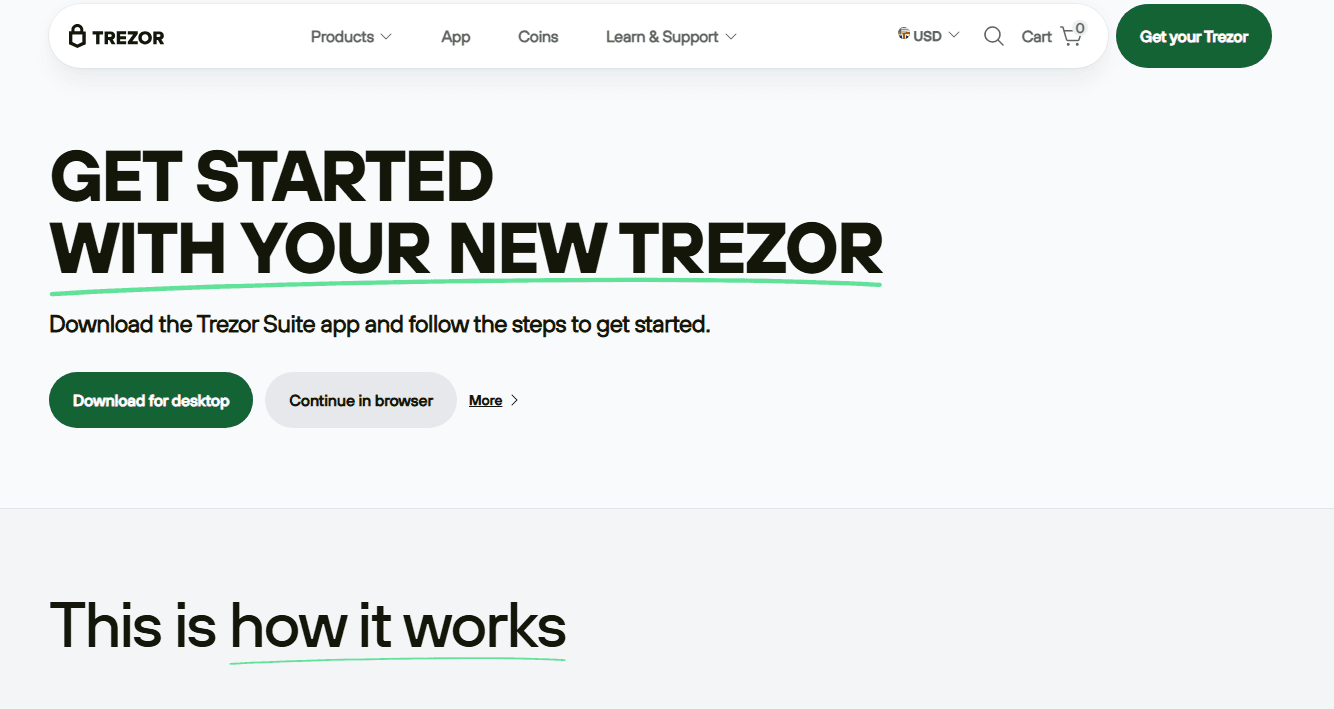
Trezor.io/Start – A Reliable First Step Toward Crypto Safety
As digital currencies become more valuable and widely used, protecting them from online threats is no longer optional. Cyberattacks, phishing scams, and malware continue to target crypto users worldwide. Hardware wallets offer one of the most secure storage solutions, and Trezor is among the most trusted names in this category. The Trezor.io/start page is the official gateway for setting up a Trezor hardware wallet securely and correctly.
This article explains how the setup process works, why it matters, and how users can maintain strong security from day one.
Overview of Trezor Hardware Wallets
A Trezor hardware wallet is a physical device that stores cryptocurrency private keys offline. By isolating sensitive data from internet-connected systems, it significantly reduces exposure to online attacks. Unlike exchanges or browser wallets, Trezor gives users full custody of their assets.
This approach eliminates reliance on third parties and ensures that only the wallet owner has control over transactions. For long-term investors and security-focused users, this level of protection is essential.
Why Trezor.io/Start Is the Official Setup Path
The Trezor.io/start page exists to guide users through a safe and verified setup process. It ensures that the wallet is initialized using genuine software and official instructions, helping users avoid fake tools or malicious programs.
Using this page helps:
Confirm device authenticity
Install secure firmware
Create or restore a wallet safely
Reduce the risk of configuration errors
Beginning the setup from an official source is a critical step in securing digital assets.
Getting Started with Device Initialization
After opening the package, the first step is connecting the Trezor device to a compatible computer or mobile device. The setup process then guides users through installing the official wallet interface needed to communicate with the hardware.
If the device does not already have firmware installed, users will be prompted to install the latest version. Firmware updates play a vital role in maintaining wallet security, as they include improvements, fixes, and protection against newly discovered threats.
Once firmware installation is complete, users can choose to create a new wallet or recover an existing one.
Recovery Seed and Its Importance
During wallet creation, the device generates a recovery seed consisting of a series of words. This recovery seed acts as a master backup for the wallet. If the device is lost, damaged, or stops functioning, the recovery seed allows the user to restore access to their funds.
To keep the recovery seed secure:
Write it down carefully
Store it offline in a safe location
Never save it on electronic devices
Never share it with anyone
Loss of the recovery seed means permanent loss of access to crypto assets, making its protection a top priority.
Securing the Wallet with a PIN
Trezor requires users to set a PIN code that must be entered each time the device is unlocked. The PIN entry process takes place on the device itself, protecting it from spyware or keylogging software.
Choosing a strong PIN significantly increases security. If incorrect PINs are entered repeatedly, the device enforces time delays, making brute-force attempts extremely ineffective.
Using Trezor for Everyday Crypto Management
Once the setup is complete, the Trezor wallet can be used to manage a wide range of cryptocurrencies. Users can send and receive funds, check balances, and manage multiple accounts while keeping private keys safely offline.
Every transaction requires manual confirmation on the device screen. This ensures that even if the connected computer is compromised, unauthorized transactions cannot be executed without physical approval.
Maintaining Security Over Time
Security does not stop after the initial setup. Long-term safety depends on consistent habits and awareness.
Recommended security practices include:
Updating firmware regularly
Verifying transaction details on the device screen
Avoiding unknown or shared computers
Keeping the device stored securely
Never entering recovery words online
By following these steps, users can significantly reduce the risk of accidental loss or theft.
Common Errors to Watch Out For
Many crypto losses occur due to preventable mistakes rather than technical failures. Storing recovery phrases digitally, skipping firmware updates, or trusting unofficial software are common errors.
Another frequent issue is rushing through transactions without verifying addresses on the device screen. Careful review of every transaction helps prevent irreversible mistakes.